

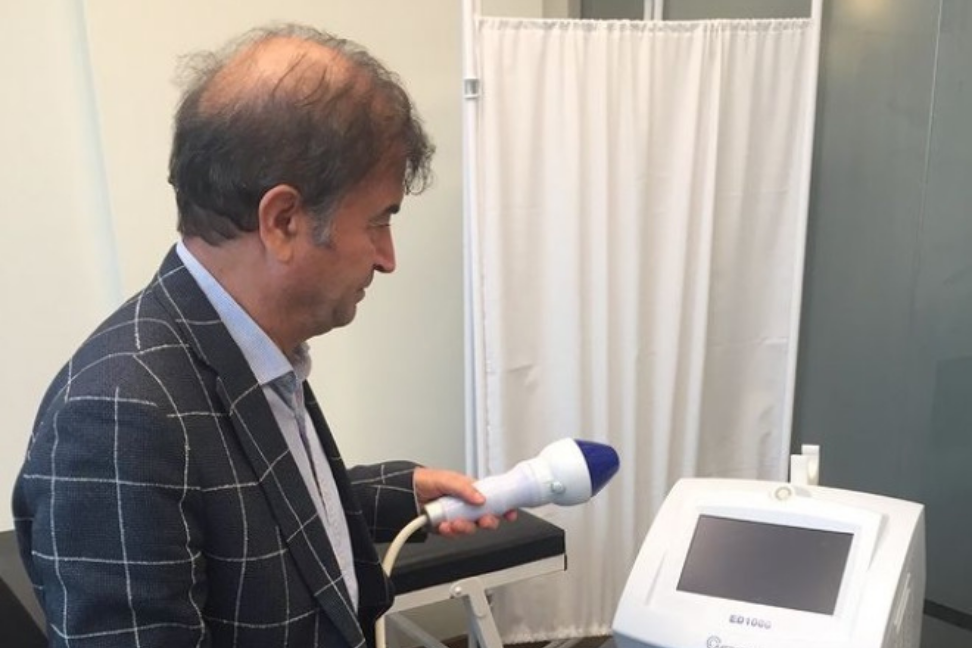
ESWT Istanbul: Istanbul Private ESWT Center
ESWT is an abbreviation for “Extracorporeal Shock Wave Therapy”. Its Turkish equivalent is “Extracorporeal Shock Wave Therapy”. ESWT is a treatment method used for various medical purposes using low-intensity shock waves.
This method has been used successfully in the treatment of some urological diseases. We also use this method in our center for our eligible patients. In this article, I will give general information about our center and the ESWT application.
What's Included?
ToggleDiseases for which we apply ESWT in our center
Before shock wave therapy is applied, patients should be examined and examined in detail urologically. As a result, patients should receive this treatment, if appropriate.
In our clinic, we apply shock wave therapy in the treatment of the following diseases:
- Patients with erection problems
- Chronic prostatitis patients
- Peyronie’s disease
- Patients with chronic pelvic pain syndrome
What is ESWT?
ESWT is an abbreviation for “Extracorporeal Shock Wave Therapy”. Its Turkish equivalent is “Extracorporeal Shock Wave Therapy”. ESWT is a treatment method used for various medical purposes using low-intensity shock waves.
ESWT emerged as a by-product of lithotripsy technology, which was first used in kidney stone breaking processes. Later, it was developed for use in the treatment of musculoskeletal diseases.
ESWT is used in the treatment of various musculoskeletal disorders. It can be especially effective in the treatment of conditions such as tendinitis, osteoarthritis, plantar fasciitis, heel spurs, elbow tennis, hip pain and chronic wounds. In addition, ESWT is sometimes used to treat certain other medical conditions, such as sexual dysfunction.
ESWT is usually performed in several sessions and usually focuses on painful or inflamed areas. This treatment method can be preferred because it is a non-invasive option that does not require surgical intervention. However, it should be noted that ESWT is not effective in all cases and may have some side effects. Therefore, if ESWT treatment is being considered, it is important to consult a specialist and determine the appropriate treatment plan.
How does ESWT work?
The working principle of ESWT is based on the penetration of shock waves applied from outside the body and focused on a focal point. Shock waves create a traumatic effect and provide some therapeutic effects at the cellular level.
The ESWT implementation shows its effects as follows:
- Increasing blood circulation,
- Promoting cell growth and regeneration,
- Reducing inflammation and
- It occurs through various mechanisms such as pain relief.
ESWT is used in the treatment of which diseases in urology?
In our center, we perform ESWT applications in the treatment of urology-related diseases. It is important to consult a urologist to determine if ESWT is appropriate for every disease and every patient. The specialist will evaluate your disease, discuss treatment options and recommend the most suitable one for you.
Urologically, ESWT is used in the treatment of the following diseases:
- Erection problem (erectile dysfunction, erectile dysfunction)
- Treatment of chronic prostatitis
- Peyronie’s disease
- Chronic pelvic pain syndrome
Male sexual dysfunction: ESWT is used as an option in the treatment of erectile dysfunction (impotence). The application of shock waves can increase blood flow in penile tissues, stimulate the dilation of the vessels and aid in achieving an erection.
Chronic prostatitis: Prostatitis is inflammation of the prostate gland. ESWT can help relieve some of the symptoms of prostatitis and can be used to manage symptoms.
Peyronie’s disease: Peyronie’s disease is a condition characterized by curvature of the penis or plaque formation. ESWT can be used to treat this disease and can help reduce plaques, improve penile shape, and improve sexual function.
Chronic pelvic pain syndrome: Chronic pelvic pain syndrome is a condition that causes constant or recurrent pain in the pelvic area. ESWT may be a treatment option for the management of this pain.
Does ESWT have side effects?
ESWT is generally considered a safe treatment, but it can have some side effects. These side effects are usually mild and temporary. It is important to consult a qualified healthcare professional to get information about ESWT treatment and to decide on treatment. The specialist can evaluate the benefits, risks, and potential side effects of treatment for your specific situation and determine the appropriate treatment plan.
Potential side effects of ESWT can include:
- Pain or discomfort: Mild pain or discomfort may occur during or after the ESWT procedure. This is usually a natural side effect of treatment and goes away on its own within a few days.
- Skin irritation or bruising: Skin irritation, redness, or bruising may occur in the area where ESWT was applied. These types of side effects are usually mild and improve over time.
- Numbness or tingling: Temporary numbness or tingling sensation may occur in the area treated with ESWT. This condition usually disappears in a short time after treatment.
What are the situations in which ESWT should not be done?
Although ESWT is generally a safe method of treatment, in some cases it may need to be omitted or carefully evaluated. It is important to consult a healthcare professional to determine your eligibility for ESWT treatment and to assess the risks. The specialist will recommend the most appropriate treatment options for you by evaluating your medical history, current condition and other factors.
Below are the situations in which ESWT should not be done and their contraindications:
- Bleeding disorders: ESWT administration may increase bleeding or cause uncontrollable bleeding in individuals with bleeding disorders. Therefore, careful evaluation of ESWT is required in people with bleeding disorders.
- Anticoagulant therapy: The application of ESWT may cause increased bleeding in individuals using drugs that prevent blood clotting (anticoagulants). Therefore, ESWT should be carefully evaluated in people receiving anticoagulant therapy and, if necessary, the treatment plan should be adjusted.
- Open wounds or infections: ESWT should not be applied to open wounds or infected areas. These conditions may increase the risk of infection or cause the existing infection to spread.
- Inadequate treatment areas: ESWT may not be effective or beneficial in some cases. Whether the area to be applied is suitable for treatment should be carefully evaluated by the healthcare professional.
What are the advantages of ESWT?
However, it should be noted that ESWT is not effective in all situations and is not appropriate in some situations. It is important to consult with a healthcare professional to evaluate the potential benefits and risks of treatment.
ESWT has many advantages and the reasons why it is preferred in the treatment of various medical conditions are:
- Non-invasive: ESWT is a treatment method that does not require surgical intervention and is applied outside the body. Therefore, it is less risky and less uncomfortable compared to invasive surgical procedures.
- Fast and effective pain relief: ESWT can be effective in reducing and treating chronic pain. Shock waves can relieve pain by suppressing the pain sensation in the body and reducing inflammation.
- Fast healing process: ESWT can accelerate the healing process of tissues. By increasing blood circulation, it can promote the remodeling of cells and healing of tissues.
- Minimal side effects: ESWT is generally a safe treatment method and its side effects are minimal. Mild and temporary side effects usually disappear on their own after treatment.
- Non-surgical treatment option: ESWT may be an alternative in some cases for the treatment of conditions that require surgical intervention. For example, ESWT may be preferred over surgery in the treatment of conditions such as tendinitis or plantar fasciitis.
- Long-term results: ESWT can provide long-term results in the treatment of various musculoskeletal conditions. Treatment can reduce pain, increase mobility, and promote functional recovery.
How is shock wave therapy applied?
Shock wave therapy varies depending on the disease. The number of sessions, the number of shock waves applied and the session intervals vary according to the disease. The protocol applied for each disease may be different. In patients with erectile dysfunction, chronic prostatitis, Peyronie’s disease and chronic pelvic pain syndrome, we plan the treatment in appropriate protocols as a result of the evaluation. In some patients, the application can be repeated in later periods.
We definitely evaluate whether the treatments taken for the diseases have a negative effect on the shock wave therapy. In addition, treatments to increase the effectiveness of shock wave therapy can be given together in suitable patients.
How much does shock wave therapy cost?
SSI and private health insurances do not cover ESWT treatment. The cost of treatment may differ according to the applied center. It is important that the application is made by a urology specialist related to Andrology. Since the protocols will change depending on the diseases, the treatment costs may also be different.
Does shock wave therapy show the same efficacy to every patient?
Treatment methods do not show the same effectiveness for any disease. Shock wave therapy is also an effective treatment method, but its effectiveness, that is, the success rate, is not the same for every patient. Results vary from patient to patient. If the patient has diseases such as age, diabetes, and overweight, their success rates are lower than those of young and normal people.
Abstract: ESWT-Istanbul is a private practice center that provides shock wave therapy to patients with erectile dysfunction, chronic prostatitis, Peyronie’s disease, and chronic pelvic pain. After the patients are evaluated, this treatment method is applied to suitable patients. Shock wave therapy is a treatment method recommended in the treatment protocols of European and American Urology Societies. Its effectiveness varies from patient to patient, it does not show the same effect to every patient. The treatment protocol varies according to the disease.
Prof. Dr. Emin ÖZBEK
Urology Specialist
Istanbul- TURKEY
Son Yazılar
ESWT Istanbul: Istanbul Private ESWT Center

How Much Does ESWT Treatment Cost?
